
Finding time to exercise can feel daunting, but recent cardiovascular research points to a reassuring conclusion. Just five minutes of purposeful activity each day can help lower blood pressure and support healthier circulation. Short bouts of movement appear to deliver outsized gains when practiced consistently, suggesting that frequency matters more than duration for many people. With a simple plan and a realistic daily target, heart health becomes far more achievable.
What The New Evidence Says
Researchers tracking adults with wearables and scheduled exercise tests are seeing a clear pattern. Even very brief sessions of moderate to vigorous activity correlate with better blood pressure profiles and improved markers of vascular function. The approach does not require a gym membership or long routines. Instead, the data support compact, focused efforts that nudge the heart and blood vessels to respond and adapt.
Importantly, these findings align with a broader public health message. Long periods of sitting contribute to higher cardiometabolic risk, while frequent interruptions with movement push in the opposite direction. A small, daily investment can compound over weeks and months, creating meaningful changes in resting blood pressure and everyday energy.
Why Short Bursts Work
Short bouts of movement stimulate the cardiovascular system without overwhelming it. When you climb a flight of stairs, pedal a bike hard for a minute, or power walk at a brisk pace, the heart pumps faster and blood vessels dilate. This repeated exposure trains vessels to become more compliant and encourages better endothelial function, a key part of how arteries expand and contract.
Brief intervals also help glucose uptake in working muscles and can reduce sympathetic nervous system tone afterward. The net effect supports steadier blood pressure across the day. Because these sessions are short, they are easier to repeat, which may be the most important driver of long-term benefit.
How To Fit Five Minutes Into Any Day
Think of five minutes as a building block rather than a ceiling. One block completed today is far better than waiting for a perfect 45-minute window that never arrives. Place the block where it fits best and protect it on your calendar the way you would a work call or school pick up.
- Stair burst: Walk up and down stairs for five minutes at a steady, slightly breathless pace.
- Outdoor power walk: Cover as much ground as you can in five minutes, arms swinging and posture tall.
- Stationary cycle: Warm up 60 seconds, ride hard for three minutes, then ease off for one minute.
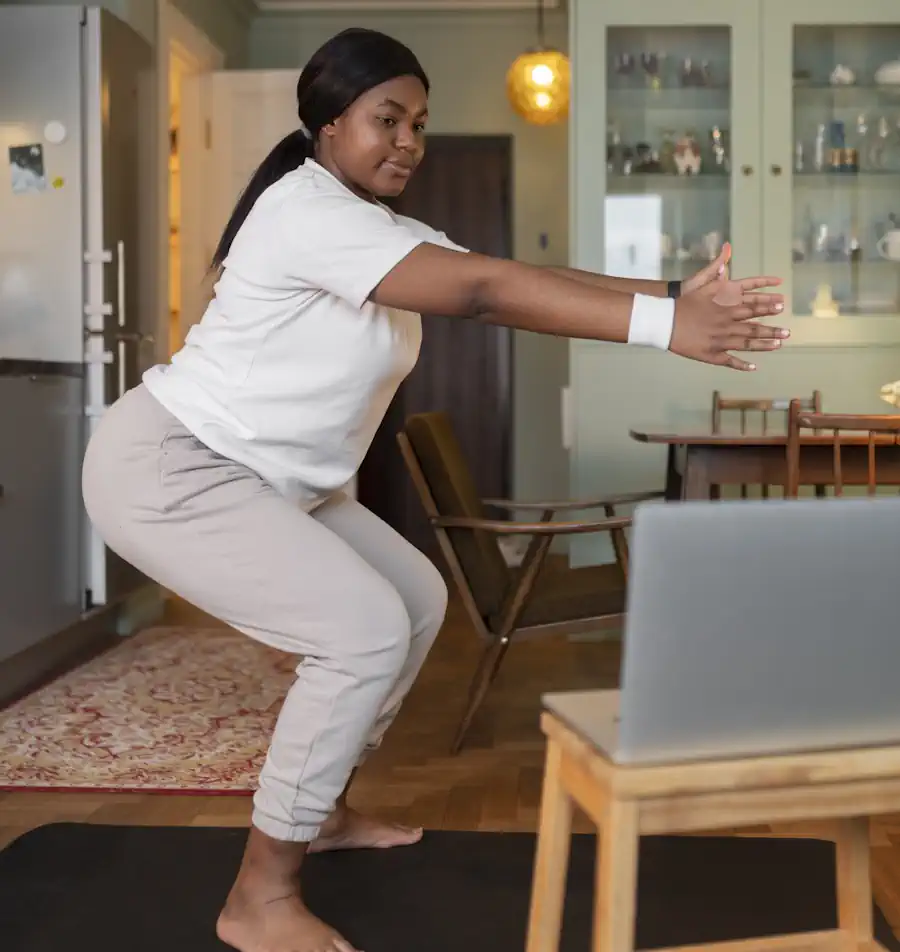
- Bodyweight circuit: Alternate 30 seconds each of air squats, marching in place, and wall pushups for five minutes.
- Micro mobility: If joints are stiff, combine brisk marching with calf raises and hip openers to keep intensity moderate.
A Simple One-Week Micro Workout Plan
Day 1: Stair burst for five minutes. Use a handrail if needed and maintain a conversational pace.
Day 2: Five-minute power walk outdoors or on a treadmill. Focus on cadence rather than stride length.
Day 3: Stationary bike five-minute session with a one-minute warm up, three-minute push, and a one-minute cool down.
Day 4: Bodyweight circuit for five minutes, emphasizing smooth form and steady breathing.
Day 5: Walk breaks. Split into two or three mini sessions that add up to five minutes total.
Day 6: Mixed stairs and hallway laps for five minutes. Keep shoulders relaxed and eyes forward.
Day 7: Recovery walk at a comfortable pace for five minutes, followed by gentle ankle and calf mobility.
Pair Movement With Everyday Habits
Attach your five-minute block to an existing routine to make it stick. Do the session right after brushing your teeth in the morning, immediately following lunch, or as soon as you park the car after work. Cues that already happen daily reduce the mental load of getting started and help transform action into habit.
Small environmental tweaks can multiply results. Keep walking shoes by the door, set a phone timer for movement breaks, and choose routes with a short hill or staircase. If you work from home, add a brisk loop between meetings. If you commute, take the stairs for at least part of the trip.
How Intense Should It Feel
A good target for five-minute sessions is moderate to vigorous effort. You should feel warmer and slightly out of breath, but still able to speak in short phrases. If you are brand new to exercise or returning after an illness, begin at an easy pace and increase intensity gradually over one to two weeks.
Consistency is the headline. If today’s effort is milder than planned, complete it anyway. The win is showing up because repeated exposure trains the heart and vessels over time.
Safety And Special Considerations
People with existing cardiovascular conditions, recent procedures, or concerning symptoms should check with a clinician before adding intensity. Stop a session if you experience chest pain, unusual shortness of breath, lightheadedness, or palpitations. Choose joint-friendly options if you have knee or hip pain, such as cycling or brisk walking on flat ground.
Hydration, regular sleep, and balanced nutrition work alongside movement. Scaling up to two or three five-minute blocks across the day can deliver additional benefits, but increases should be gradual. Let your body adapt and aim to feel refreshed rather than depleted after each micro workout.
Turning Five Minutes Into a Lasting Heart-Healthy Habit
Five minutes of purposeful movement can nudge blood pressure in a healthier direction and keep circulation responsive. The key is repetition. Pick one simple activity you can perform most days, protect that small time slot, and build momentum. As the habit takes root, you can stack additional blocks or extend certain sessions. The path to better heart health is closer than it looks – it starts with a few focused minutes today.